

In the realm of large-scale network deployments, the integrity of optical fiber connections is paramount. Two primary methods exist for joining optical fibers: fusion splicing and mechanical splicing. While both serve the fundamental purpose of connecting fibers, they diverge significantly in their performance, reliability, and suitability for demanding network environments. In this blog post from Advanced Resource Contractors, we'll explore why fusion splicing emerges as the superior choice for large networks.
Understanding Fusion Splicing
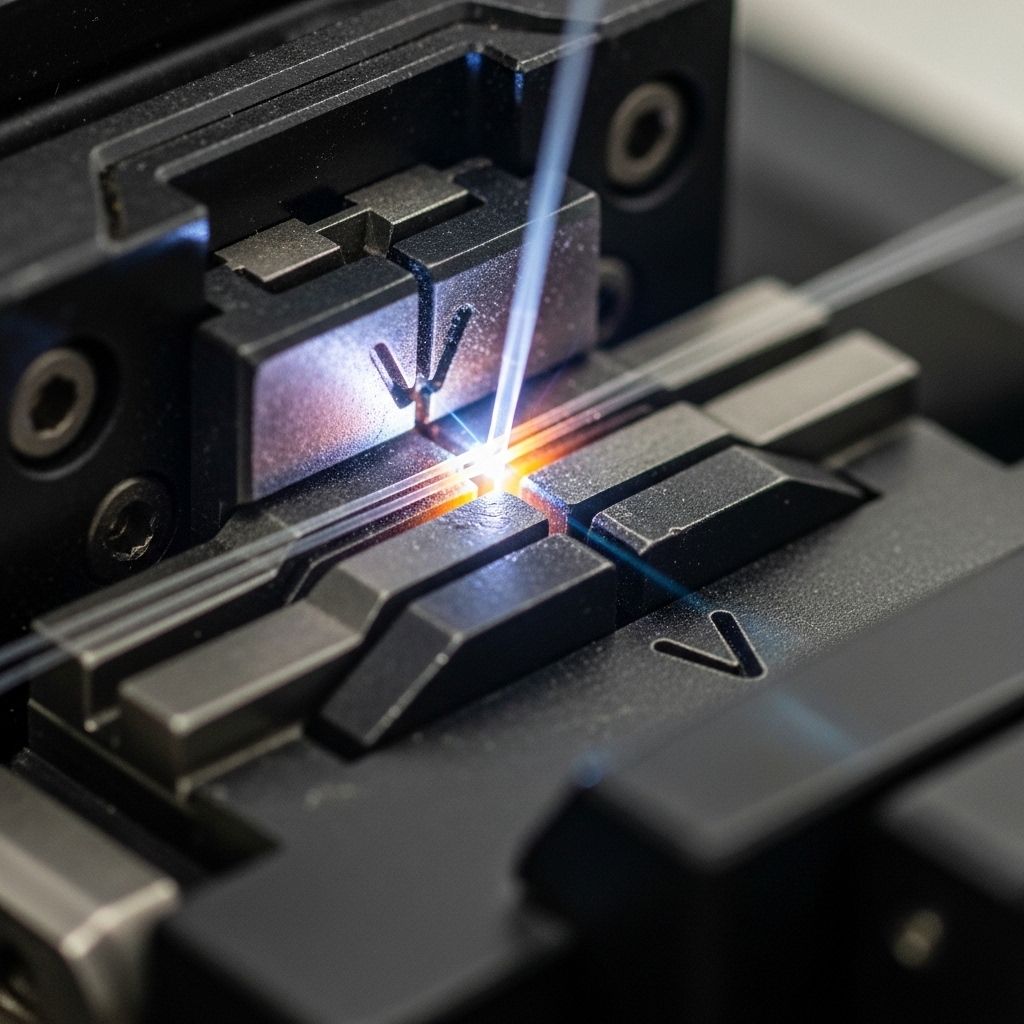
Fusion splicing involves precisely aligning two optical fibers and then welding them together using heat. This process creates a continuous, low-loss connection, essentially making the two fibers a single, unbroken strand. The result is a robust and highly reliable connection with minimal signal degradation.
Understanding Mechanical Splicing
Mechanical splicing, on the other hand, relies on mechanical fixtures to hold the fibers together. Index-matching gel is often used to reduce signal loss at the connection point. While mechanical splicing offers a faster initial deployment, it typically exhibits higher signal loss and lower long-term reliability compared to fusion splicing.
Why Fusion Splicing Excels in Large Networks
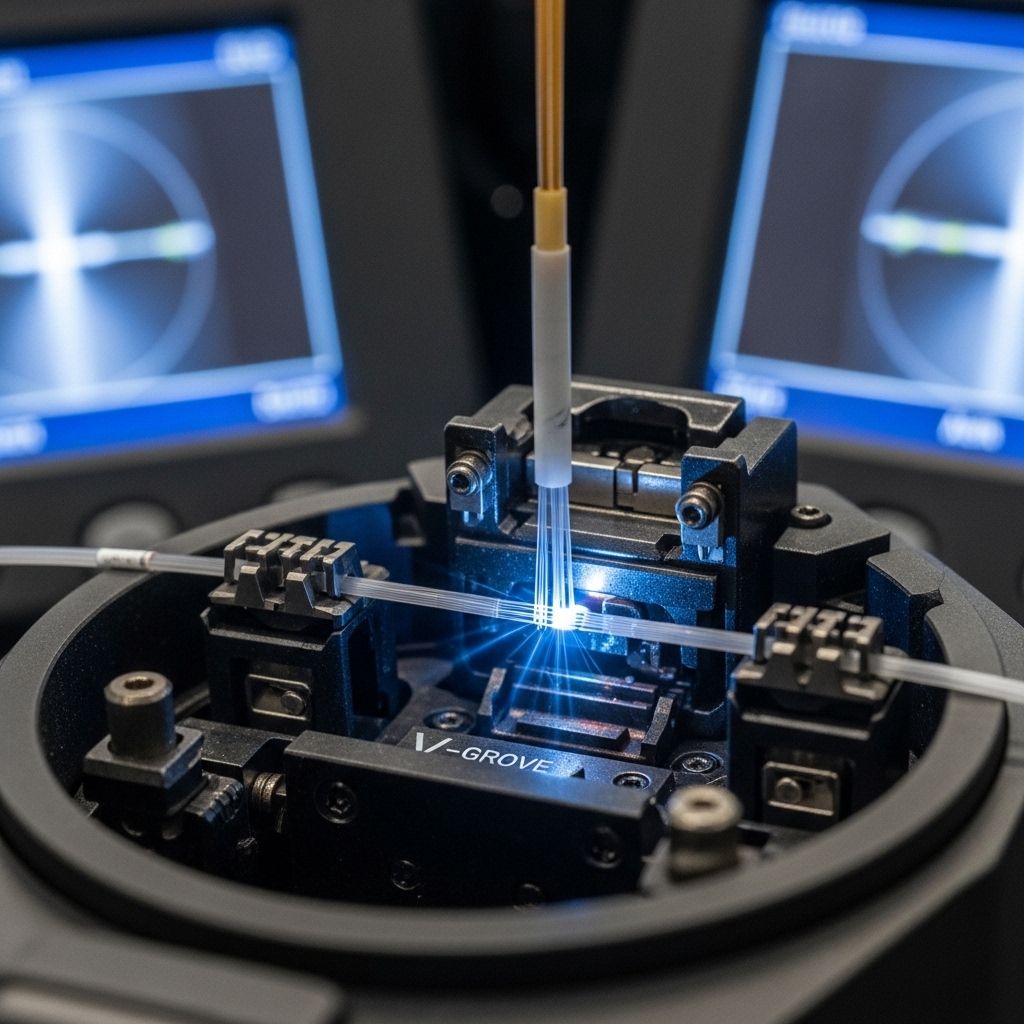
Lower Signal Loss: Large networks necessitate minimal signal attenuation to ensure optimal performance over long distances. Fusion splicing's inherent low-loss characteristics make it ideal for these applications, preserving signal strength and clarity.
Superior Reliability: The sheer scale of large networks demands robust and dependable connections. Fusion splices boast exceptional durability and resistance to environmental factors, ensuring consistent performance over extended periods. This reduces the need for costly maintenance and repairs.
Reduced Maintenance Costs: The long-term reliability of fusion splicing translates to lower maintenance costs for large network operators. Fewer failures mean less downtime and reduced operational expenses.
Future-Proofing: As bandwidth demands continue to escalate, large networks must be prepared to accommodate future upgrades and expansions. Fusion splicing's superior performance characteristics provide a solid foundation for supporting emerging technologies and increasing data rates.
Applications of Fusion Splicing
Fusion splicing is the preferred method for a wide range of applications, including:
Telecommunications networks
Data centers
Long-haul fiber optic links
Fiber-to-the-home (FTTH) deployments
While mechanical splicing may offer a quick fix in certain situations, fusion splicing stands as the clear winner for large networks where performance, reliability, and long-term cost-effectiveness are critical. Its ability to create seamless, low-loss connections ensures optimal network performance and minimizes maintenance requirements. At Advanced Resource Contractors, we understand the importance of reliable network infrastructure. Contact us today to learn more about our comprehensive contractor solutions and how we can assist with your next project.